Plant-led calm in a mint-green bedroom
Plant-led calm in a mint-green bedroom: a quiet field report on colour, foliage and slow routines.
 Save
Save
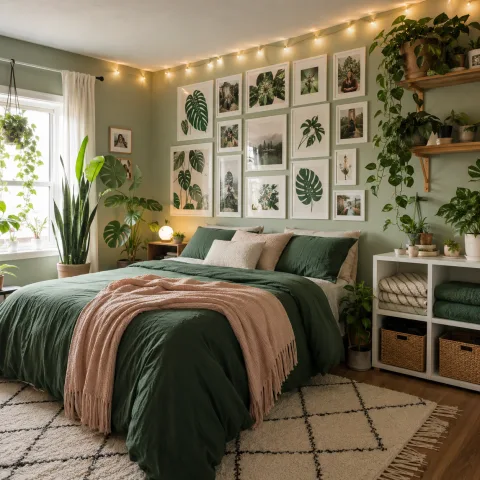
We arrive to a calm mint bedroom where plants guide the eye and the day slows to a gentler rhythm. We document how colour, texture, and leaf life interact to create restorative quiet, noting how each choice supports sleep, focus and slow mornings.
What you'll need
- mint-green emulsion paint
- Low-sheen finish, two coats, to reflect light softly without glare.
- potted indoor plants
- Philo/monstera/pothos trio in 12–20 cm pots for vertical rhythm.
- jute rug
- Natural texture to warm the cool wall and ground the room.
- woven baskets
- Contain clutter and keep plants at eye level near seating.
We push open the door and enter a bedroom that feels almost hushed, as if the space itself is listening. The walls are a soft mint, not chalky, with daylight filtering through linen curtains and a faint scent of citrus from a diffuser. A handful of plants sits on a low chest and a shelf, their leaves catching reflections on the polished floor and shifting as the sun moves. The bed is simply dressed, with a cotton coverlet in a slightly warmer note of grey-green and a modest pile of pillows, inviting a long, late-morning pause. Texture comes from a jute rug, a wicker chair, and uncluttered surfaces that invite touch rather than display. We note the careful distribution of light, scent, and sound, so that every element supports rest rather than stimulation, and so the room feels navigable rather than precious. Budget and mood align here: a modest cost, a clear purpose, and a plan that can be replicated in other spaces.
Sourcing the mint palette
To begin, we mapped the room's northern light and noted how it shifts across the day. We tested a cluster of mint swatches on magnet boards, watching them hold or lose brightness as the sun moved. Two tones stood out: a cooler, blue-leaning mint and a warmer, yellow-tinged version. We settled on a mid-range register that brightens without shouting. The edge where wall meets ceiling remained clean with a soft border, chosen to avoid harsh lines. We documented the chosen finish: a low-sheen emulsion that reflects light gently, not a gloss.
With the hue fixed, we framed the palette around natural neutrals: warm taupe, chalk white, and a whisper of sand. We laid out three sample boards and taped them to the wall, observing how the mint read near the timber floor. The floor is ash with a light wax finish, which anchors the room and prevents the mint from feeling cold. We considered the ceiling height and avoided staining the entire room with the colour by leaving the ceiling white. Two lamps and a textile swatch helped us visualise textures against the flat wall. The aim was a serene, coherent backdrop rather than a colour show.
We calculated the budget as we finalised the paint order: a 2.5-litre can would cover around 20 square metres, allowing two coats. We chose a brand with durable, moisture-resistant finish suitable for a sleeping space. The supply chain required a small extra for touch-ups, and we added masking tape and edge guards to protect neighbouring surfaces. We noted the cure period and planned a light recoat after a month if the room's humidity shifts. The plan reads clearly in the sheet: paint, finish, test patch, and patience.
Layering plants with furniture
 Save
Save
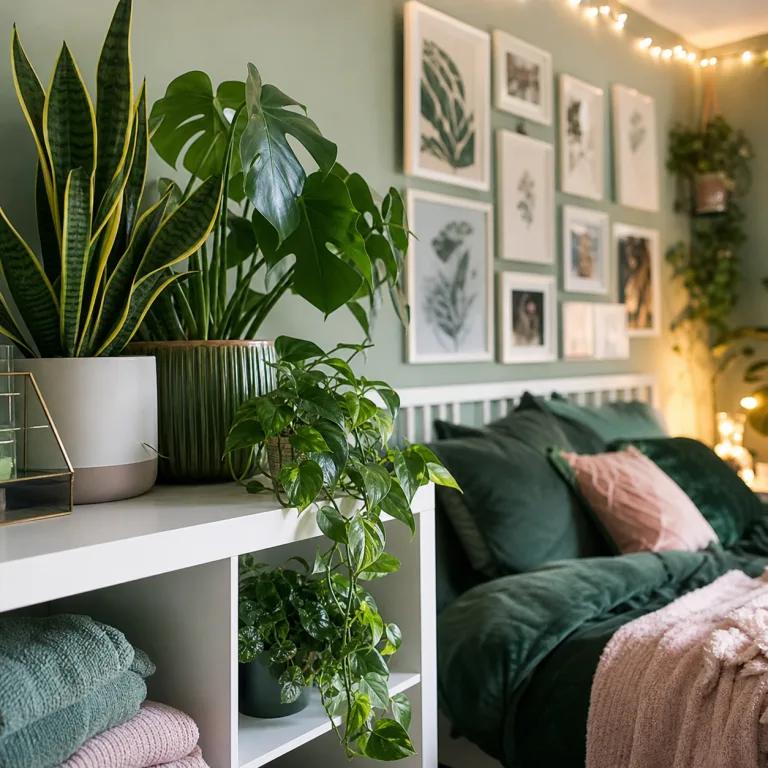
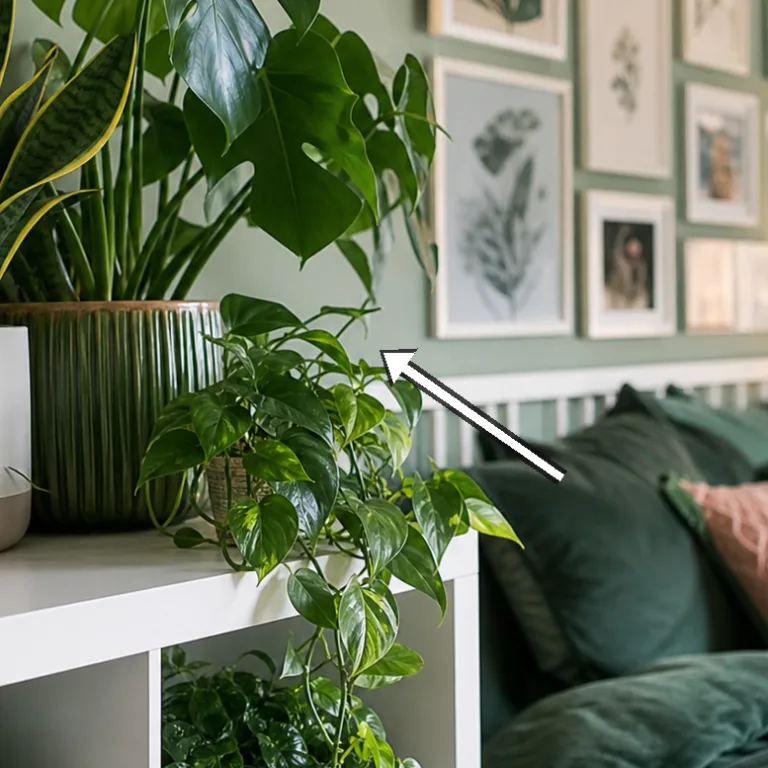
Plants are the rooms main structure for rhythm, texture and tempo. We selected a trio that tolerates indoor light: a philodendron, a pothos, and a small zz plant. The pots range from 12 cm to 20 cm to create height variation without crowding the nightstand. We spaced them onto a low chest, a shelf, and a freestanding plant stand to frame the bed. The placement respects walkways and allows air to circulate around the foliage.
To manage maintenance, we grouped plants in odd numbers forming gentle clusters. A larger plant anchors the left corner while two smaller ones balance the right. We used ceramic pots with a matte glaze that mirrors the wall's softness. The plant scale was tested by seating height and by stepping back to view the rhythm from the bed. We noted easy-access watering and a shallow tray to catch drips. The design aims for calm rather than spectacle, so we avoid trailing plants over the edges.
Finally we integrated greenery with furniture: a leaner behind the chair for the eye to rest on, a fern on the dresser for a breath of texture. We collected data on how the eye travels from window to plant to bed and back again. A swing-arm lamp above the chair adds a soft glow, while plant leaves diffuse the light further. We tested scent notes from a subtle citrus oil near the window, ensuring aroma remains gentle. We recorded how the greenery alters perceived room depth, making the bed look bigger. The outcome feels restful and intentionally curated, not a riot of green.
Texture and material balance
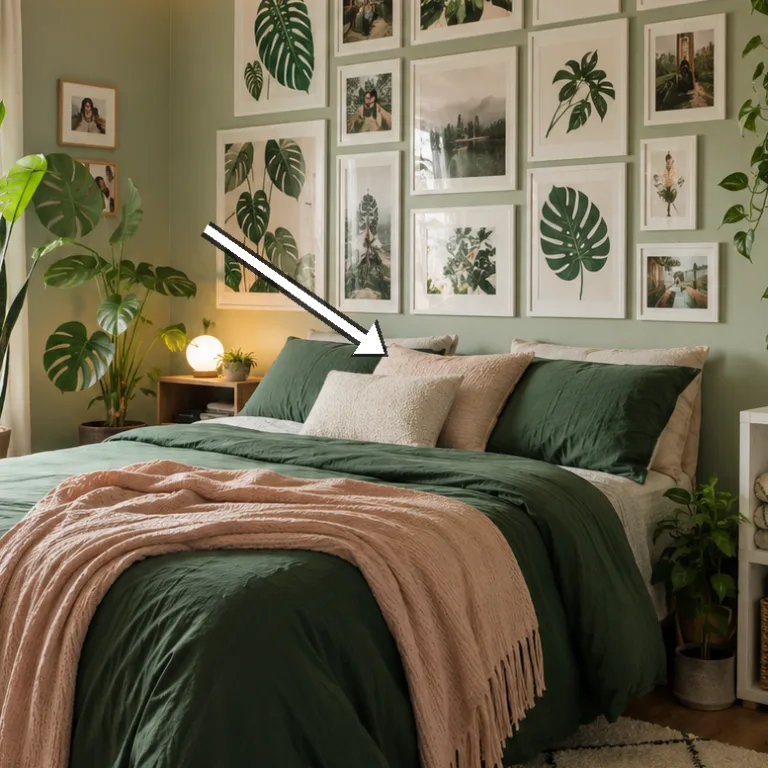
Texture emerges as a counterpoint to the mints cool tone, guiding the rooms warmth and tactility. The bed linen uses a high-thread-count cotton with a gentle sheen; it reads calm without competing with the walls. A wool rug underfoot anchors the space and cushions movement. We introduced a linen throw and a knitted cushion in a slightly warmer green to pull warmth into the palette. The aim is tactility rather than colour punch.
 Save
Save
Natural materials such as rattan, jute and linen carry the warmth of the room. We avoided glossy finishes on furniture to prevent glare. The bedside table is a roasted oak with a matte varnish; the edges are rounded to soften the scale. In textiles, we favour breathable fabrics that feel good to touch. We tested fabric placement with a mock-up to ensure seating remains comfortable.
We balanced metal accents sparingly: a brass lamp arm and a brass tray drawn near the bed. We kept chrome out of the frame to avoid hard reflections that would interrupt calm. We arranged a small basket for magazines to avoid visible piles. Finally, we checked that every surface could be dusted in under a minute to stay fresh. The room feels calm and tactile, not cluttered.
Lighting for calm
Natural light is the backbone of the rooms serenity and we mapped its arc across the day. We noted how the shade shifts from pale mint in the morning to cooler by late afternoon. Linen curtains were chosen to diffuse without blocking the view and to prevent glare. We placed the bed low so the eye can travel across the surface and linger on the plants. A wall-mounted mirror disperses light and creates an illusion of more space.
Artificial light works as a soft extension of daylight. We added a dimmable wall lamp by the chair and a table lamp with a fabric shade. We kept the colour temperature warm at around 2700-3000 Kelvin to preserve warmth. We tested the lighting at different times and adjusted to avoid harsh shadows. The aim is a gentle glow that remains present but unobtrusive.
Brightness management affects mood more than colour. We considered ceiling height, furniture placement, and the way plants refract light. We wrote a lighting plan that keeps the ceiling visible and the floor bright in the right places. We kept cables tidy and out of sight to avoid visual noise. The room feels luminous yet intimate, a balance we aimed to achieve.
 Save
Save
Maintenance that feels easy
Maintenance is the quiet partner in a calm room and we treat it as a weekly ritual rather than a set of chores. We designed a 20-30 minute monthly routine that covers plant care, linen refresh and surface dusting. We store tools in a basket near the door to promote consistency. We also reserve a small corner for plant feeding and pot draining to avoid spills.
Maintenance cannot overwhelm a room to keep it restful. We schedule weekly checks for humidity and airflow and use air-drying methods for plants to avoid mould. If a plant proves stubborn, we replace it with a more resilient variety and re-balance the nearby greens. We keep criteria simple: it must be easy to care for, and it must enhance the mood rather than demand attention.
Finally, we set a rolling plan to refresh textiles. We swap pillow covers with the seasons and rotate the rug sample to preserve a sense of newness. We keep paint edges clean by reapplying a small border when needed and log maintenance tasks in a notebook to track what works. The routine is designed to feel invisible while keeping the room looking cared-for.
Conclusion and reflection
This mint-led room teaches that calm grows from deliberate restraint rather than dramatic restoration. By treating plants as architectural partners, and by letting light, texture and routine converse softly, the space remains usable, humane and restorative. We leave with a practical template: start small, stay curious, and allow the season to guide subtle updates rather than sweeping changes.
How to do it
Palette planning
We mapped light, tested swatches, and settled on a mint base with neutrals to anchor the room. We documented the plan for future touch-ups and noted the order for the second coat to even colour depth.
Plants and placement
We selected specimens with forgiving care needs and arranged them in layered groups that travel the eye from window to bed. We used varying pot sizes and heights to create vertical rhythm and ensure seating remains unobstructed.
Texture and textiles
We chose textiles with breathability and warmth and placed items to balance scale and influence touch. We tested fabric weights against light to ensure the room remains soft to the eye when viewed from the bed.
Lighting and finishing
We refined the lighting scheme with dimmers and warm tones to sustain calm after sunset. We checked cable management and ensured lamps could be reached from seating positions without shifting blanket or plant forms.
Common mistakes to avoid
Overloading the palette
Too many greens can compete with plants rather than support them. Maintain contrast with a neutral base and resist trying to match every leaf to the wall.
Ignoring scale
Small rooms need deliberate scale. If the greens overwhelm furniture, the bed loses presence and the calm is toppled.
Neglecting maintenance
A mint-green room can look exhausted if dust and moisture accumulate. Regular pruning, dusting and a quick weekly check keep the space breathable and fresh.
Frequently asked
What makes a mint bedroom feel calm?
How many plants should a small bedroom have?
Which finishes support calm lighting?
How do you prevent maintenance from becoming overwhelming?
What role does natural light play?
How should power and clutter be handled?
Is scent important in calm bedrooms?
What if humidity affects the plants?
In closing
This mint-led room teaches that calm grows from deliberate restraint rather than dramatic restoration. By treating plants as architectural partners, and by letting light, texture and routine converse softly, the space remains usable, humane and restorative. We leave with a practical template: start small, stay curious, and allow the season to guide subtle updates rather than sweeping changes.
Enjoyed this? Get the next one by email.
One gentle note when we publish something worth your time. No noise, unsubscribe anytime.
More to love

Coastal teal bed styling creates a calm bedroom
Two sentences: We test a coastal teal bed styling that softens a room with linen textures and natural timber. The result is a calm, practical retreat designed for everyday life.